
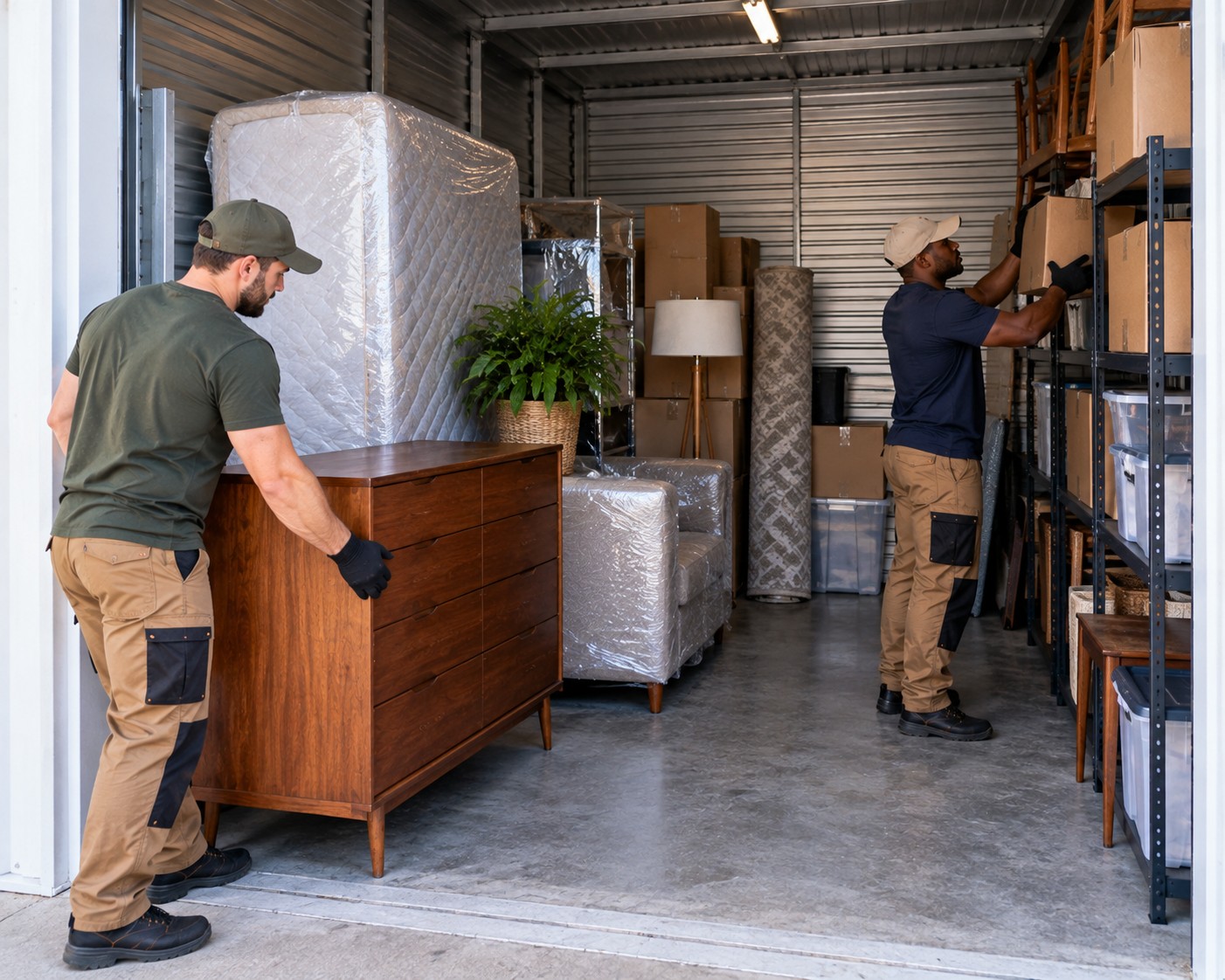
A storage unit can quickly become difficult to use when furniture is placed inside without a plan. One chair becomes a stack of boxes, a wardrobe blocks the entrance, and the items needed most often somehow end up behind everything else. Even a spacious unit can feel crowded when belongings are loaded randomly.
Organizing furniture correctly from the beginning makes a major difference. A thoughtful layout protects valuable pieces, improves access, and helps you use every available section of the unit. With support from https://promoversandstorage.com/, homeowners and businesses can prepare their belongings for storage while keeping the space practical and manageable.
Choose the Right Storage Unit Before Loading
The organization process starts with selecting a unit that matches the volume and type of furniture being stored. A small unit may be suitable for several chairs and boxes, but larger items such as sofas, wardrobes, dining tables, and bedroom sets require additional room.
Consider Height as Well as Floor Space
Many storage units offer useful vertical space. However, furniture should not be stacked carelessly simply because the ceiling is high. Heavy objects belong on the bottom, while lighter items can be placed above them only when they are stable and properly protected.
If the unit is too small, furniture may be forced against walls or packed so tightly that moving one item requires unloading the entire space. Secured Storage Solutions are most effective when the unit allows belongings to remain protected without making access impossible.
Create a Simple Floor Plan
Before moving furniture into the unit, sketch a basic layout or mark the placement of major pieces. The entrance should remain clear, and frequently needed belongings should be positioned near the front.
Leave a Practical Walking Path
A narrow central aisle can make the unit much easier to navigate. Depending on the size of the space, you may also create small side paths leading to important furniture groups.
For example, place bedroom furniture together, dining pieces in another section, and office furniture in a separate area. This arrangement makes future retrieval faster and prevents unrelated belongings from becoming mixed together.
Pro Movers and Storage can help plan the loading process so large furniture is positioned efficiently rather than moved repeatedly after the unit is already crowded.
Prepare Furniture Before It Enters the Unit
Furniture should be clean and completely dry before storage. Dust, moisture, and trapped dirt can create problems over time, especially when items remain untouched for several months.
Remove shelves, legs, drawers, and other detachable parts when appropriate. Keep hardware in labeled bags and attach them to the related furniture whenever possible.
Protect Without Sealing in Moisture
Use breathable furniture covers instead of tightly wrapping every item in plastic. Sofas, mattresses, and upholstered chairs need protection from dust but should also have enough ventilation. Wooden furniture can benefit from padded coverings that reduce scratches without trapping condensation.
Tables and cabinets should be protected at corners and edges. Avoid placing heavy objects directly on delicate surfaces, and never use fragile furniture as a platform for unstable stacks.
Place Large Pieces Along the Perimeter
The largest furniture items generally belong around the sides or back of the unit. Sofas, wardrobes, bookcases, and sturdy cabinets can form the outer structure of the layout.
Place them carefully so doors, drawers, and removable shelves remain accessible if you may need them later. If a wardrobe must be stored against a wall, avoid forcing it tightly into a corner where it cannot be moved safely.
Smaller items can occupy the center, but leave enough room to reach the rear of the unit. A few extra inches of space can save considerable effort during future visits.
Keep Valuable and Frequently Used Items Accessible
Not every item should be stored according to size alone. Documents, seasonal furniture, business equipment, or belongings needed during a renovation should be placed where they can be reached without disturbing everything else.
Use clear labels on boxes and create a simple inventory. Numbering sections of the unit or taking photographs after loading can also help you remember where specific items are located.
With Secured Storage Solutions, an organized unit becomes more than a place to leave furniture. It becomes a controlled extension of the home or business, offering useful access while belongings remain protected.
Make the Layout Easy to Change
Storage needs can change over time. Leave enough flexibility to remove one piece without dismantling the entire arrangement. Avoid building tall stacks that depend on one unstable item supporting another.
A well-planned unit should have three qualities: stable furniture placement, visible pathways, and clear identification. Pro Movers and Storage can support the moving and storage process with practical handling strategies that help reduce unnecessary lifting and rearranging.
When furniture is arranged with purpose, a secure storage unit becomes easier to manage, safer to navigate, and far more useful throughout the storage period.