

Moving later in life can represent a major change in routine, surroundings, and independence. The process may involve leaving a long-time family home, moving closer to relatives, choosing a smaller residence, or transitioning into a community with additional support. Whatever the reason, residential moving for older adults deserves thoughtful preparation rather than a rushed schedule.
A successful transition should protect comfort, dignity, familiar habits, and personal priorities. For households in Las Vegas, Nevada Movers offers professional assistance for residential relocations. Information about the company and its moving services is available at https://nevadamoverslv.com/.
Begin With a Conversation, Not a Packing Box
Before sorting possessions, discuss what the move is expected to accomplish. Older adults may have strong emotional connections to their home, neighborhood, furniture, and everyday routines. Giving them time to express concerns can make the transition feel more collaborative.
Talk about practical questions such as:
- What type of home will be most comfortable?
- Which belongings are essential for daily life?
- What furniture should remain accessible?
- Who will help with decisions and preparation?
- What should happen on moving day?
The goal is to create a plan that respects the person’s preferences while addressing the physical and logistical demands of the relocation.
Allow Extra Time for Sorting Belongings
Residential moving often becomes more complicated when a household has been established for many decades. Closets, cabinets, garages, and storage areas may contain items connected to family history and important memories.
Avoid trying to sort everything in one weekend. Instead, divide the home into manageable areas and work in short sessions. Create separate categories for belongings to keep, donate, give to family members, recycle, or discard.
Preserve Sentimental Possessions
Not every meaningful item needs to be large or expensive. Photographs, letters, ornaments, books, and familiar decorations may help make the new residence feel comfortable.
Choose a small collection of especially important objects to unpack first. These pieces can provide continuity during a period when many other surroundings are changing.
Plan the New Space Before Moving Day
A smaller home or different floor plan may require furniture decisions in advance. Measure the new rooms, doorways, and important access points before deciding what will move.
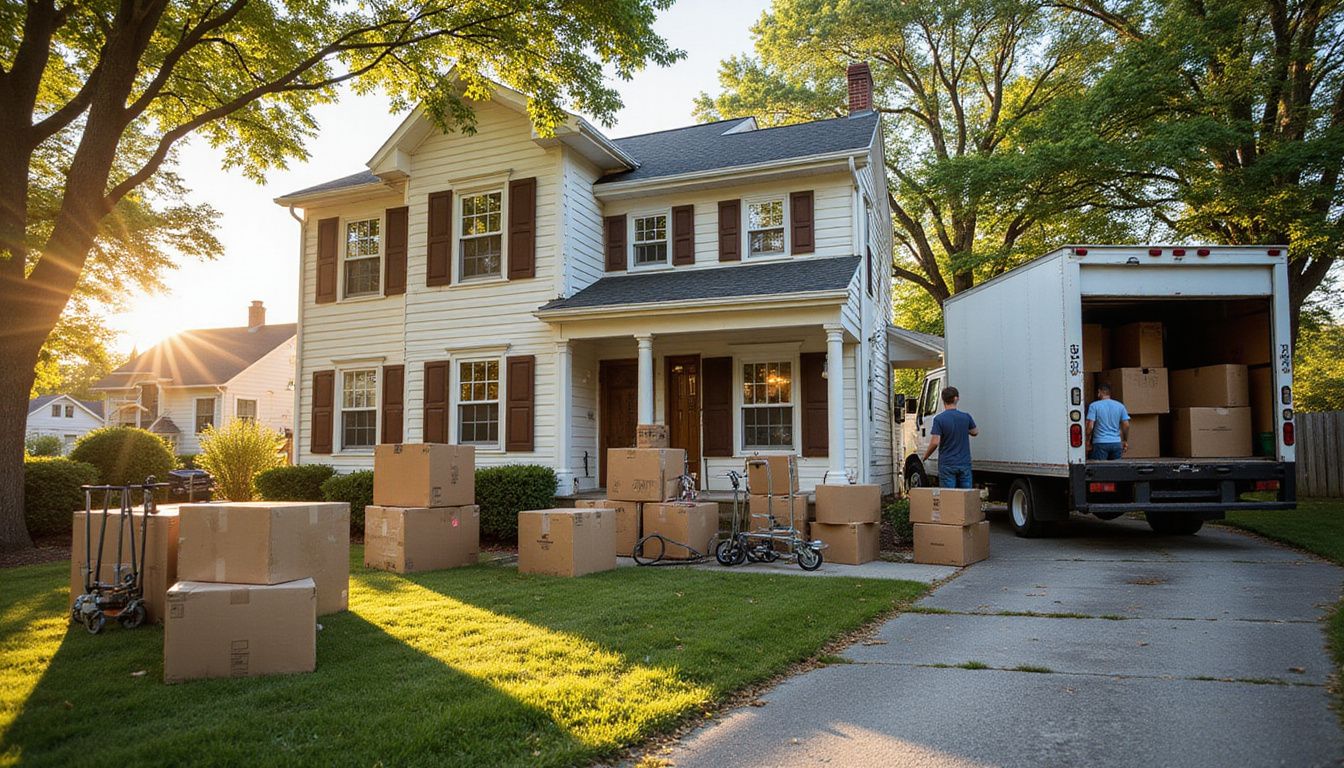
Create a simple placement plan for the bed, favorite chair, dining table, television, and other frequently used items. Familiar furniture arranged in a recognizable way can make the new environment easier to navigate.
Safety should also influence the layout. Keep walking paths open, avoid loose rugs where possible, and place frequently used items within comfortable reach. Good lighting and accessible storage can make daily routines simpler.
Arrange Support for the Physical Work
Moving heavy furniture and packed boxes can be exhausting and unsafe, especially when a relocation includes stairs, narrow hallways, or long carrying distances. Family members may be able to help with decisions and emotional support, but professional movers can handle the demanding physical tasks.
Nevada Movers can assist with the practical side of residential moving, including carrying, loading, transporting, and unloading household belongings. Having trained help available allows older adults and their families to focus on communication, comfort, and settling into the new home.
Prepare a Moving-Day Comfort Plan
A calm moving day benefits from a little advance organization. Keep medications, identification, documents, glasses, chargers, water, snacks, and personal-care items in a separate bag.
If possible, arrange a quiet room or alternate location away from active moving work. Constant noise, open doors, and unfamiliar people can be overwhelming. A trusted family member or caregiver can remain available to answer questions and provide reassurance.
Do not schedule too many additional appointments on the same day. Moving already requires attention, and allowing time for rest can make the experience more manageable.
Make the First Week Feel Familiar
Unpack essential items before decorative or rarely used belongings. Prioritize bedding, bathroom supplies, kitchen basics, clothing, medications, and the objects used in everyday routines.
Try to maintain familiar meal times, phone calls, hobbies, and social connections. If the move is within the Las Vegas area, planning a visit to a favorite nearby place can also help establish a sense of familiarity.
Residential moving for older adults works best when the process is paced around the person—not only around the truck or moving schedule. With early planning, respectful decision-making, professional labor, and a comfortable setup, the transition can become an opportunity for greater convenience and a more supportive daily environment.